🔈Design bunker edges, without limits. Check out the new Edgevantage now.


🔈Design bunker edges, without limits. Check out the new Edgevantage now.
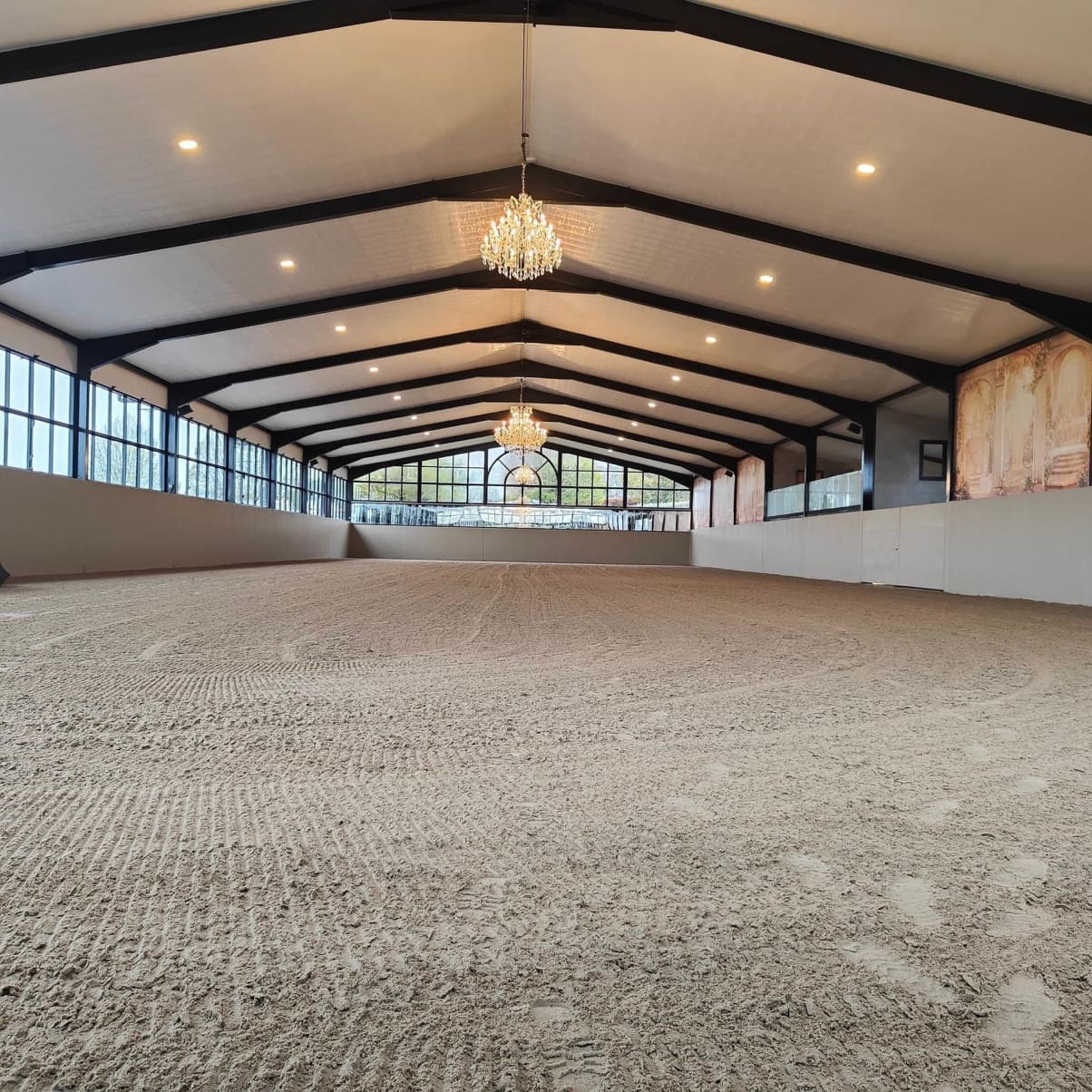


One recent installation for a customer
The selection of an equestrian arena watering system is arguably one of the important decisions to be made when designing an equine arena. After all, moisture plays a critical role in maintaining optimal footing conditions for both horses and riders because it significantly influences the properties of footing sand and any additives like fibers.
The choice of a horse arena watering system depends on factors such as its size, footing composition, the location’s climate, and budget, but the goal is always to provide a dust-free and safe and consistent surface for both horse and rider. This can be achieved by ensuring that water is distributed regularly and evenly across the arena. Uneven wetness in different areas can lead to unevenly wet patches of footing, or dry and uneven footing, both of which can hurt the horse’s performance and health.
Overhead sprinkler systems are one of the most common arena watering methods. They encompass various forms such as ceiling and wall sprinklers, moveable sprinklers and drip irrigation. These systems are often used as dust control sprinkler systems.
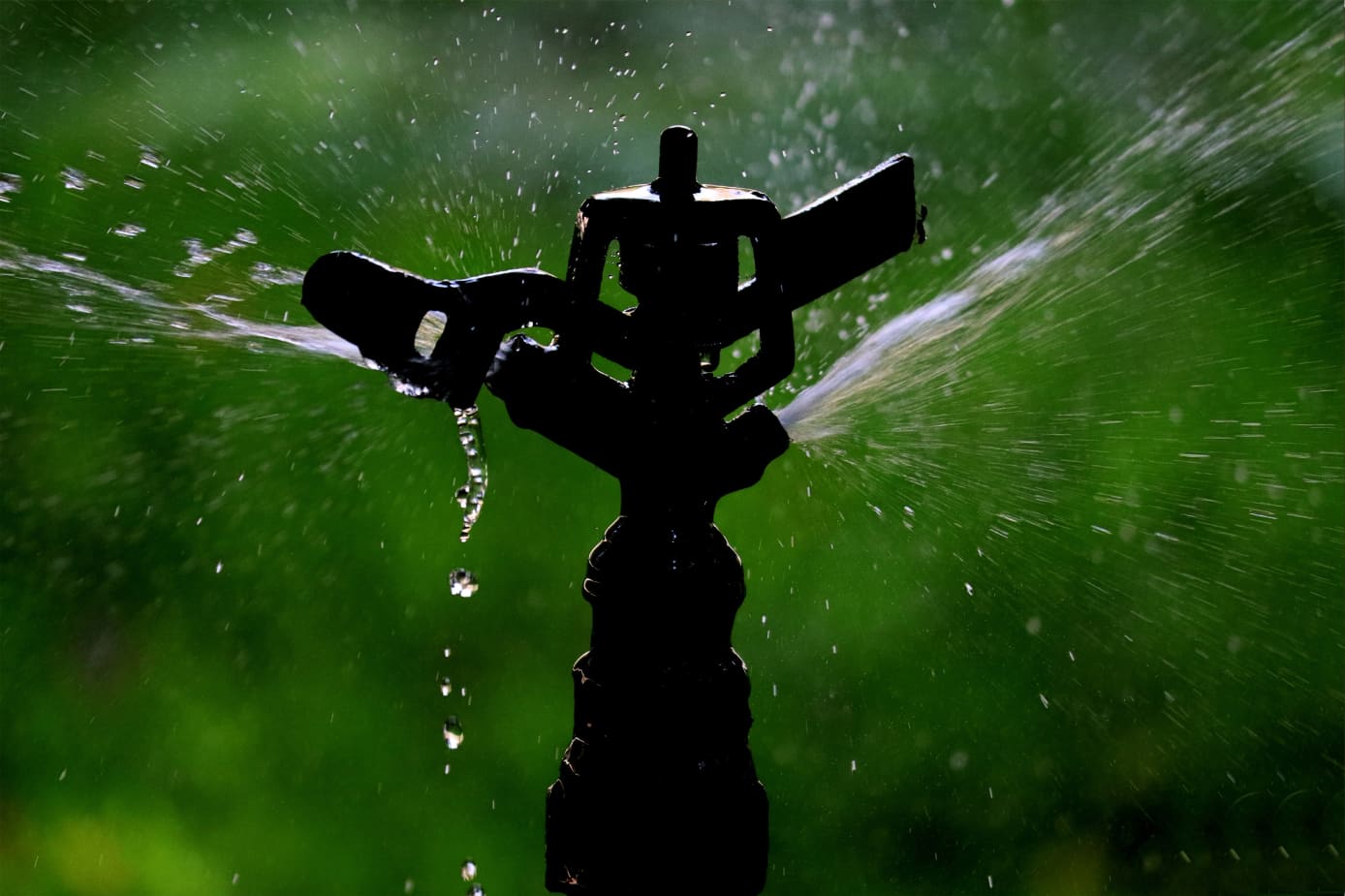
Ceiling and wall sprinklers are employed in both indoor and outdoor equestrian arenas as part of the horse arena's irrigation system. These sprinklers, which are mounted on the ceiling or walls, spray water across the arena. Their primary role is to provide a means of efficiently watering the surface and arena footing. But the catch is that though they are designed to consistently ‘release’ water, they do not guarantee that the water released will soak every inch of the arena consistently, and therefore cannot guarantee consistent moisture levels in the footing. In short, their effectiveness can vary based on several factors including arena usage, environmental conditions, and maintenance practices.
Moveable sprinklers are a versatile option in equestrian arena watering systems, and are used in both indoor and outdoor settings. These systems can be repositioned to target different areas of the arena as needed. Although moveable sprinklers allow for flexibility in watering, they do not ensure uniform moisture or consistent footing throughout the arena as their effectiveness depends on their placement, frequency of use, and the specific needs of the arena surface.
The use of drip irrigation in arenas is limited as it may not be suitable for all types of arena surfaces or equestrian activities. The system is largely seen in outdoor horse arenas. This system delivers water directly to the ground through a network of tubes. While drip irrigation is efficient in terms of water usage, they are not ideally suited for equestrian arenas due to their tendency for uneven coverage, slow application, and susceptibility to damage from horse traffic. Additionally, the localized nature of drip emitters may result in variations in moisture levels, making them less effective for maintaining consistent footing in the dynamic environment of equestrian arenas.
Manual hoses are a basic tool used for watering equestrian arenas. This method involves directly applying water to the arena surface using hoses, allowing for targeted application. However, it is labor-intensive and lacks the means to consistently maintain footing or moisture levels as it relies on the judgment and effort of individuals, leading to uneven coverage and moisture distribution. Manual hoses are commonly employed for smaller arenas or as supplemental watering. Their effectiveness varies based on usage and the specific requirements of the arena.
The ‘Ebb and Flow’ system, an underground arena watering system, has emerged as an improvement to overhead irrigation systems, conserving water by irrigating from below the surface to minimize evaporation. Originating in Europe, this equestrian arena irrigation system employs underground pipes to supply and drain water, maintaining moisture in the sand and enabling real-time adjustments with advanced automated controllers available today.
However, this system faces challenges in maintaining consistent moisture levels across the entire arena. The ebb and flow system is slower, making it difficult to achieve total moisture control. Moreover, it is maintenance-intensive due to the tendency of arena footing sand to migrate to the drainage pipes, causing blockages.
Capillary Hydroponics, the latest innovation in equine arena watering systems, offers the benefits of all the older irrigation systems without any of their drawbacks. In this blog, we explore how Capillary Hydroponics optimally waters indoor and outdoor riding arenas that have sand or grass surfaces.
Capillary Hydroponics marks a substantial advancement in equestrian arena watering systems. It doesn’t only tackle the issues encountered by its predecessors but has several additional advantages. By providing consistent moisture distribution and superior drainage throughout the arena, this underground arena watering system guarantees decreased maintenance and optimal riding conditions for horses and riders alike. It is poised to enhance equestrian arena performance, offering a reliable alternative to traditional watering methods.
Capillary Hydroponics uses an oxygenated and fertilized moving underground water table to irrigate sand and grass equine arenas from below. In doing so, it decreases water evaporation and consumption by up to 85%.
At the core of Capillary Hydroponics is Capillary Material, formerly known as Capillary Concrete. This patented and engineered polymer-based material is the only building material that can rapidly drain water while also moving water up. It ensures a perfectly flat and level base beneath the arena, which is crucial for the functioning of a hydroponic system. Invented in 2009, it is also behind one of CapillaryFlow’s most successful solutions, Capillary Bunkers, which has transformed the way the golf industry constructs and maintains bunkers.
The Capillary Hydroponics system comprises several layers: an impermeable liner that sits on a cavity in the soil, drainage pipes, drainage gravel, a layer of Capillary Material, washed sand and finally sand or grass. The cavity is split into two equal parts. A control basin filled with water is placed on the outside and attached with pipes that feed into each cavity. It automatically oxygenates and pumps fertilized water back and forth between the two sections several times a day, moistening the surface from below as it goes.
In grass arenas, when the water moves and enters or exits the pores of the rootzone material, the gas exchange increases by up to 6,000%, which is excellent for the growth of strong and resilient grass. In sand arenas, the increased oxygen exchange in the footing sand prevents the formation of what is commonly referred to as the ‘black layer’, a toxic, foul-smelling barrier in the footing material that is caused by anaerobic bacteria in stagnant water. Thus, the system helps maintain a perfect and healthy environment in the footing sand. The level of the moving water table is completely controllable and the water moves between each cavity at a fully adjustable rate too.
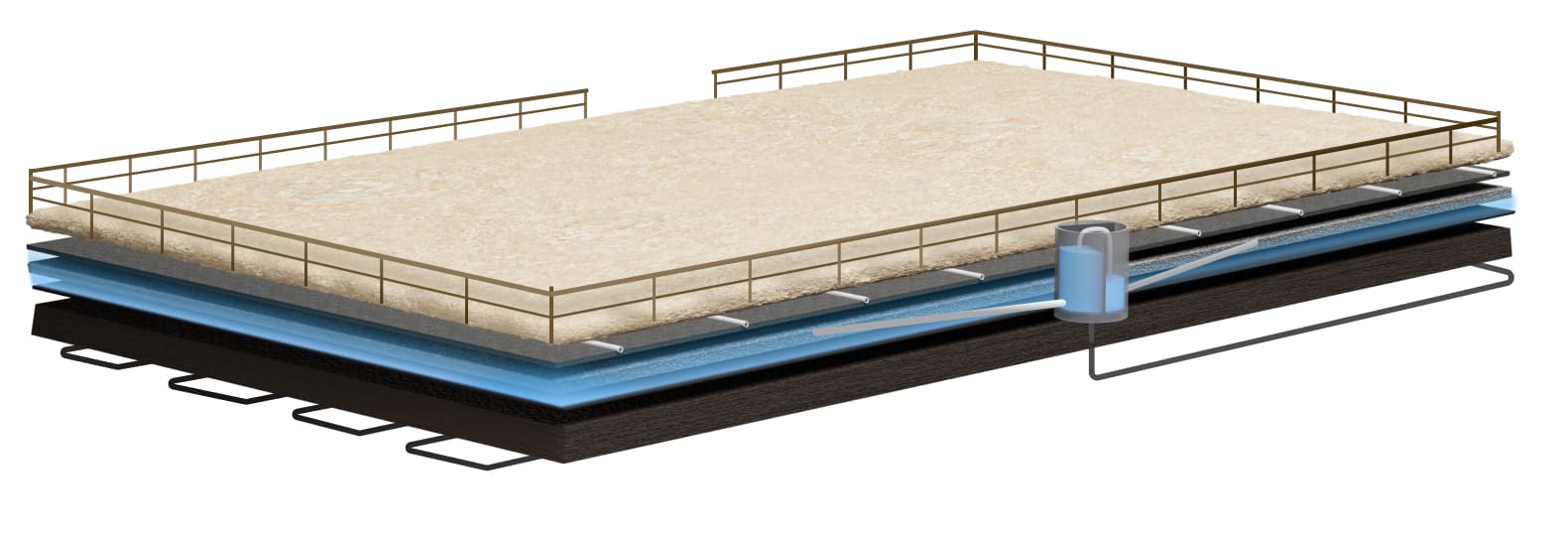
Below, we dive into the details of the benefits of installing CapillaryFlow’s underground arena watering system in equestrian arenas. The benefits include:
Precise moisture control: The system’s innovative design allows for precise moisture control through a smart-control basin, with the added convenience of an app for easy adjustments or automatic settings to maintain consistent conditions. This means you can set the sand and footing moisture rate to detailed specifications. If you plan to do show jumping before noon and dressage after, you can easily adjust the moisture rate to 17 % or 22 %, to fit your riding discipline.
Optimal performance: This is achieved by ensuring that the arena's footing sand is consistently and optimally moisturized at all times and seasons. This guarantees the riding arena provides ideal impact firmness, cushioning, responsiveness, grip, uniformity, and, ultimately, consistent safety for horse and riders over time.
Increased uptime: This is achieved through consistent and controllable moisture levels in the footing sand, reducing the downtime needed for maintenance and surface preparation between rides. This is because overhead sprinklers, which cause facility downtime, are not employed.
Superior drainage: The Capillary Material, which constitutes the foundation of the hydroponic system, provides enhanced drainage compared to a typical equestrian arena subgrade. It efficiently drains excess rainfall at a rate ranging from 4 to 6 inches per hour. This exceptional drainage safeguards horses and riders from frozen, slippery and waterlogged arena footing. This is as close as you can get to an all-weather footing.
Location and weather versatility: Whether in an indoor or outdoor arena, the system seamlessly adapts to both environments, ensuring consistent riding conditions in wet weather through effective drainage. Additionally, it maintains steady moisture levels in hot and dry conditions, eliminating dust thanks to the even moisture distribution in the sand.
No need for additives: While many traditional arena watering systems rely on additives such as microplastics, fibers, and dust control products to stabilize the footing, Capillary Hydroponics reduces or eliminates the need for such substances. This not only makes it more environmentally friendly but also safer for both the horse and rider, minimizing risks associated with inhalation and exposure to microplastics and chemicals.
No unsightly sprinklers: A subsurface watering system keeps the arena looking clean and professional, without the clutter of visible overhead sprinkler systems.
Dust control: Dusty arenas pose health risks to both horses and riders. Subsurface irrigation systems are more effective than dust control sprinkler systems, and significantly reduce dust, creating a safer and more pleasant riding environment.
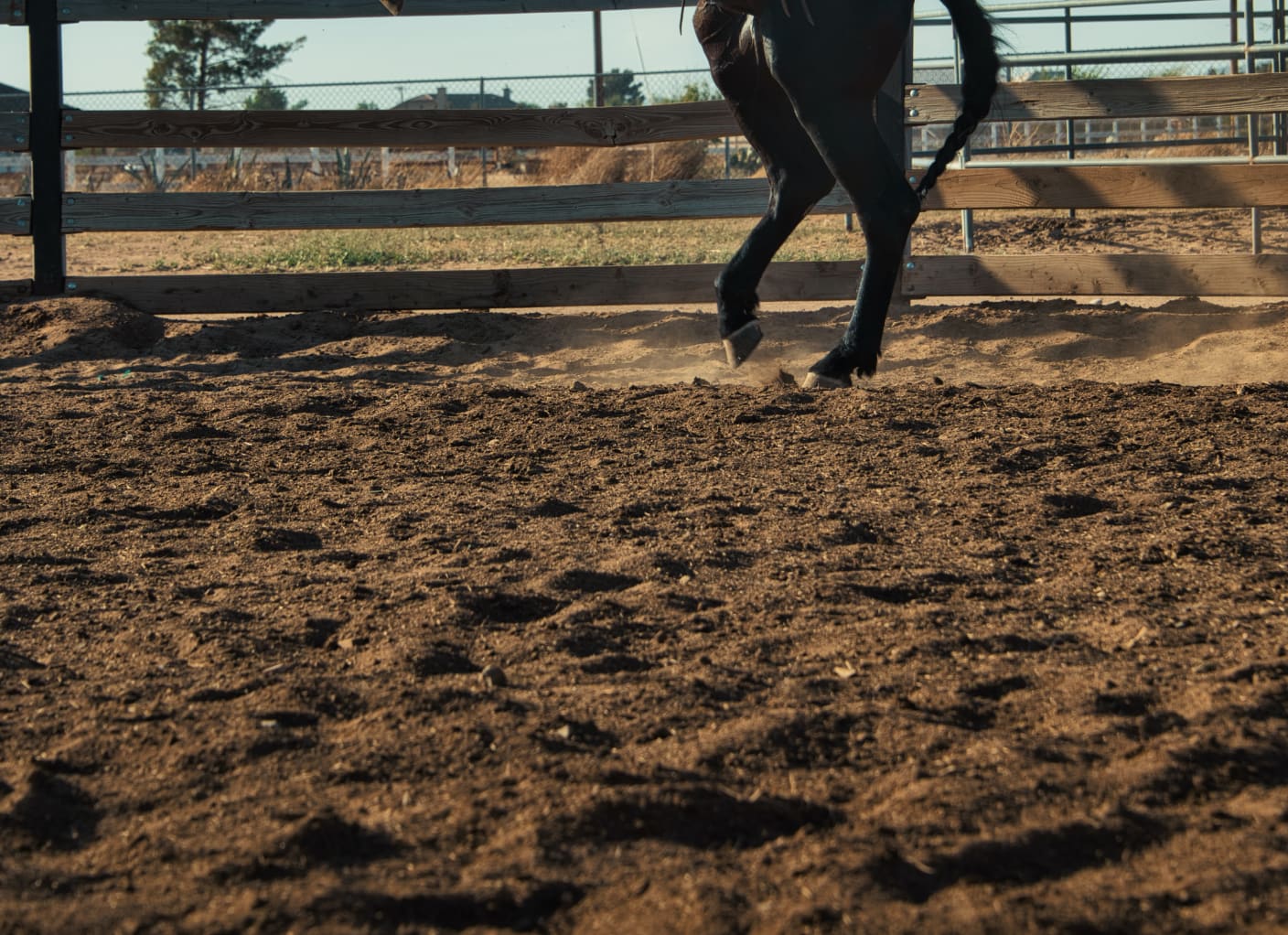
Works for both grass and sand arenas: Whether your equestrian arena features grass or sand footing, Capillary Hydroponics is a versatile solution that works well with both. The sand will be evenly moisturized and safe to ride on either way.
Water conservation: The Capillary Hydroponics system is environmentally sustainable, consuming up to 85% less water compared to traditional equestrian irrigation systems. It provides sustainability without compromising on the performance of the arena. Even in hot and dry conditions, minimum water is used because the riding arena uses continuous subsurface irrigation instead of overhead sprinklers.
Protects kick walls: Protects kick walls in indoor riding arenas from degradation. By using an underground arena watering system instead of an overhead sprinkler system, the areas surrounding the arena such as the kick board wall are protected from any water-related damage.
No water stagnation = no black layer: The CapillaryFlow system employs a patented airlift pump in the smart control basin to oxygenate water. This oxygenated water dynamically manages moisture in the footing sand by pushing water into the sand from below. Additionally, the moving water table ensures that fresh air is forced up through the sand multiple times a day as the water table shifts from one side of the arena to the other. Regular infusion of oxygen into the sand disrupts anaerobic conditions, preventing the development of a hazardous black layer. Capillary Hydroponics thus creates and maintains a perfect and healthy environment in the sand, providing a safer riding experience.
Long-lasting sand: Unlike other irrigation systems, the sand in a Capillary Hydroponics arena can be washed to remove accumulation of algae, organic material and other contaminants. This increases the lifespan of the sand and also makes it safer for horses to ride on. Learn more about the Capillary Wash Box.
Industry-leading lifespan and guarantee: CapillaryFlow offers an industry-leading 15-year structural and drainage performance guarantee on our patented Capillary Material when the Capillary WashBox is installed alongside any CapillaryFlow solution. Learn more here.
To conclude, the selection of the right equestrian arena irrigation system is critical because moisture levels in the footing directly influence the performance and well-being of both horses and riders as well as maintenance costs of the arena. Because, after all, no one wants to ride in water or dust.
The many benefits of Capillary Hydroponics – optimal footing performance, increased facility uptime, environmental sustainability, reduced maintenance, water savings, a healthy footing environment, and its 15-year performance guarantee – represent a game-changing advancement in equestrian arena maintenance and subsurface irrigation systems for equine arenas. For those prioritizing optimal footing conditions, a long-lasting solution, and precise moisture control of the riding arena footing, Capillary Hydroponics stands out as the top choice.
To learn more about Capillary Hydroponics as an underground watering system for equestrian arenas, contact us!

CapillaryFlow makes it possible to design baseball fields that are able to withstand tough playing conditions as well as ensure a healthy game experience for players.

Our proprietary Capillary Material makes it possible to have a bunker liner that rapidly drain while also retaining adequate sand moisture, creating the perfect playing conditions in golf course bunkers.

The Capillary Hydroponics system enables us to grow strong and durable grass with significantly less maintenance and environmental impact

Optimal riding conditions in any weather by providing a ground material technology offering superior drainage capacity and enabling use of subsurface moisture control - for the optimal footing

Capillary Hydroponic turf lengthens the season with natural strong grass that stays healthier even with a busy schedule

Our Capillary Hydroponics solution turns hardscaped surfaces into breathable, living spaces that augment the positive effects of greenery in urban environments.


